Our product offer
Core birch veneer from two spindleless (rotary) peeling lines — 1300 mm and 1600 mm — peeled, dried and hand-sorted in Jēkabpils, Latvia.
Specifications
Every pallet is individually traceable through our FSC® Percentage and Transfer systems, with EUDR due-diligence (DDS) reporting being developed alongside them. In 2026, the Latvian State Revenue Service awarded the company its highest A rating for 2025.
The logs themselves are sourced from Latvian forests through our own roundwood buying.
LatVeneer is a birch veneer supplier to plywood and moulded-plywood furniture manufacturers across Europe. From Jēkabpils, the Baltic states, Poland, Finland and Germany are within reach by road or through the port of Riga, about 140 km away. Prices are quoted on request — send us your sizes, thickness, grades and volumes and we will come back within one working day.
Sales
For orders or any questions, please contact our sales manager:
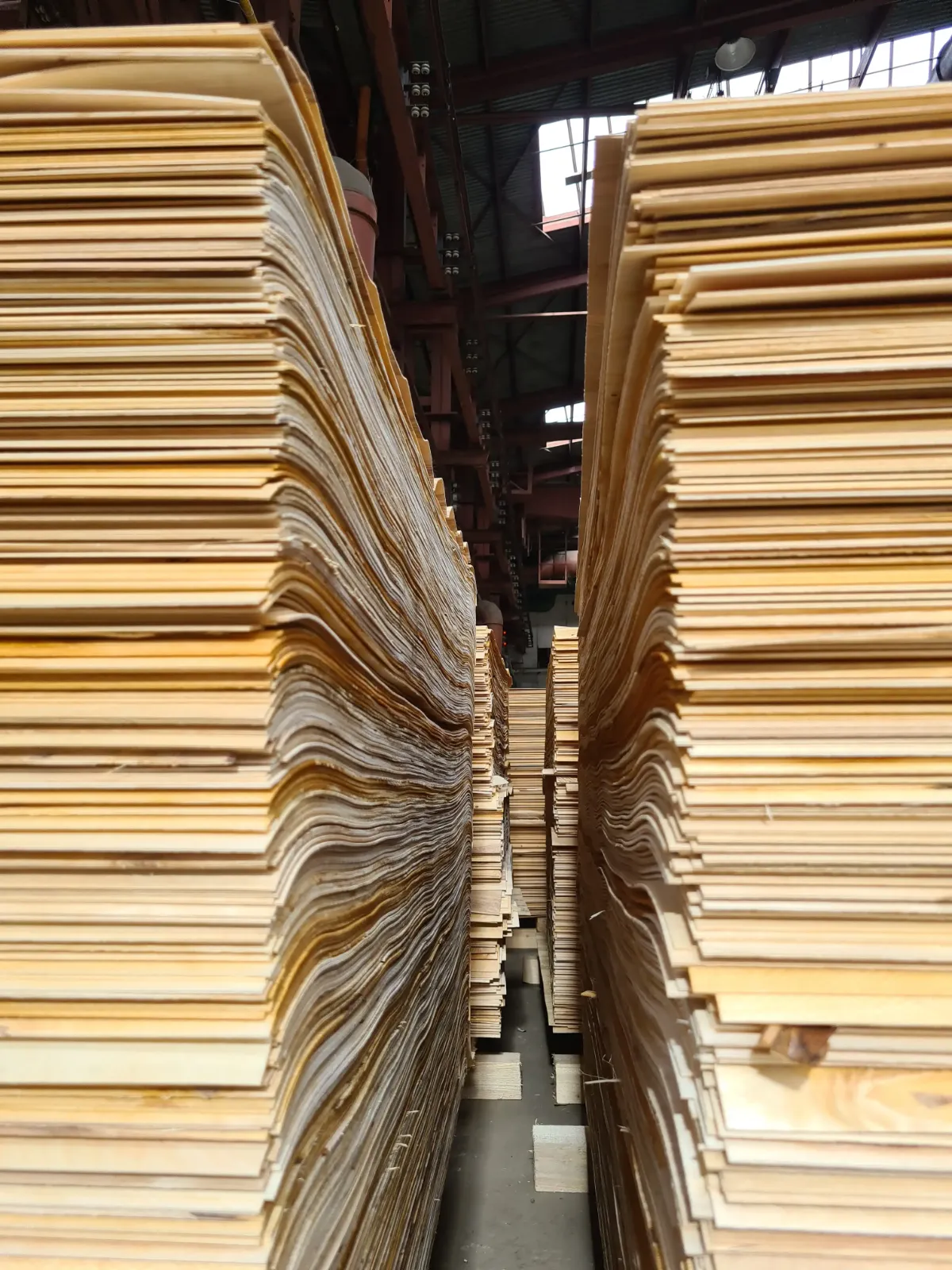
Production process
Logs are peeled on two spindleless peeling lines at natural moisture levels, without presoaking. Veneer thickness and quality are monitored throughout production.
Freshly peeled veneer rests for at least 48 hours, allowing moisture to redistribute naturally.
A 32 m four-belt dryer, powered by recycled woodchips, dries the veneer to the required moisture level.
Hourly inspections ensure the ideal moisture content of 4–8% is maintained.
Each sheet is manually inspected and sorted into grade packs to ensure consistent quality.
Good to know
The log rotates against a long knife, peeling the wood away in one continuous sheet — like unrolling a roll of paper. A spindleless lathe grips the log with drive rollers instead of centre spindles, allowing it to peel down to a very small core and turn more of each birch log into usable veneer.
Rotary-cut veneer is peeled continuously around the log, producing broad grain and full-size sheets — the standard for plywood and moulded-plywood parts. Sliced veneer is cut one sheet at a time from a flitch to create decorative face grain. We produce rotary-cut birch core veneer.
It means the wood can be traced from responsibly managed forests through every step of production under our FSC® chain of custody. We operate both FSC® Percentage and Transfer systems and trace every pallet individually, providing the traceability needed for FSC®-labelled orders.
Our standard is 1.5 mm; 1.0–3.0 mm is available on request, held to a thickness tolerance of ±0.05 mm. Sheets come in six sizes: 1300 × 1300, 1300 × 1600, 1300 × 2600, 1600 × 1300, 1600 × 1600 and 1600 × 3100 mm.
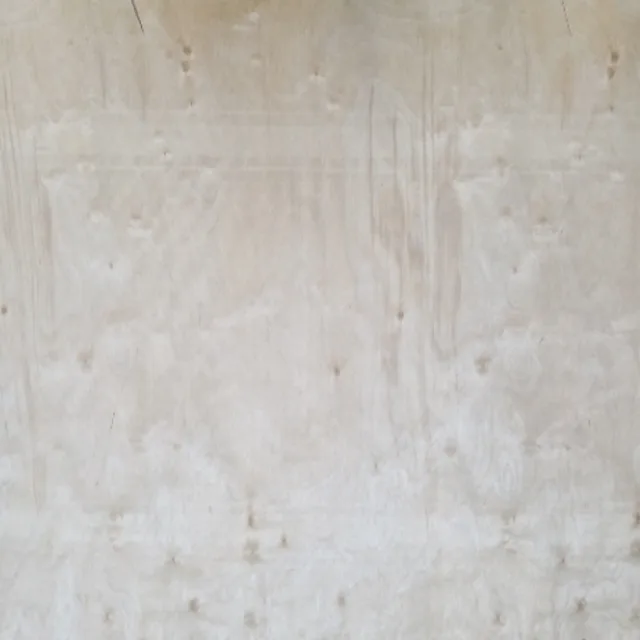
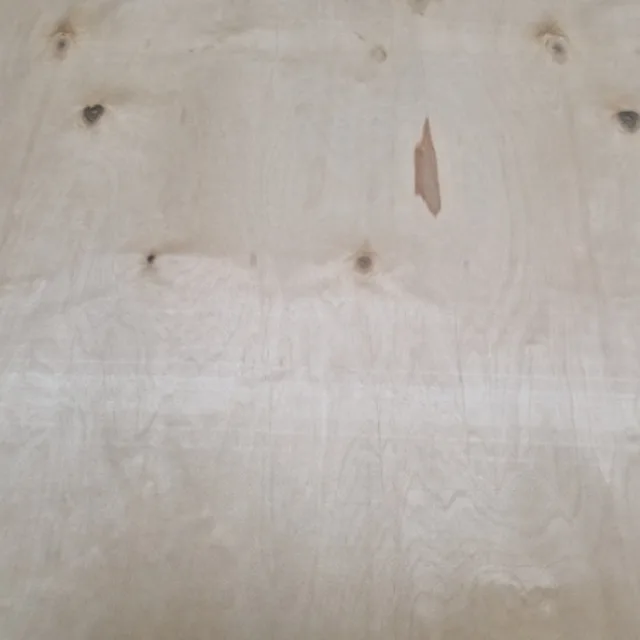
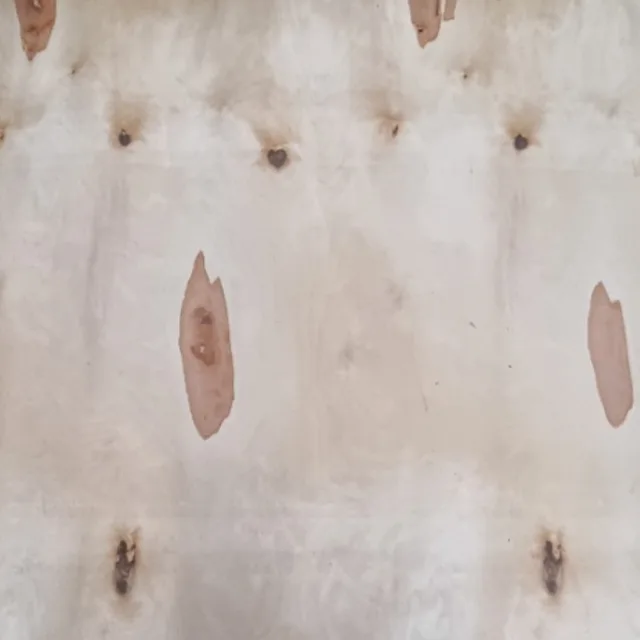
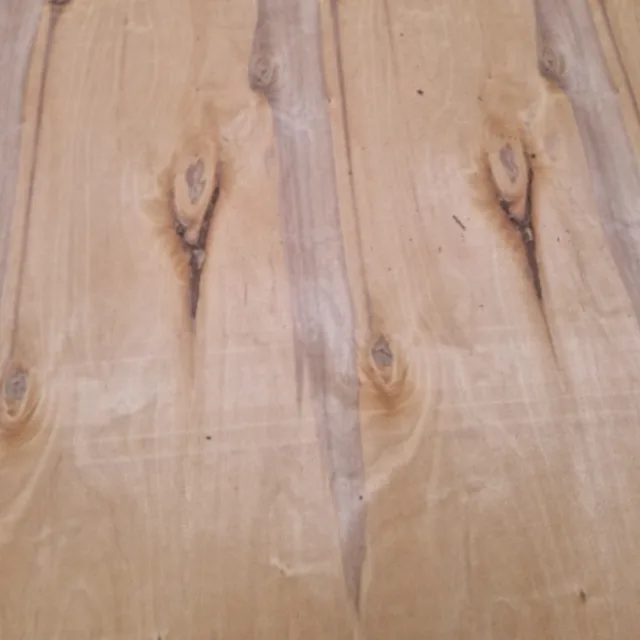
ABCD and E grade packs. Every sheet is inspected by hand and sorted by the criteria in our grading table — knots, splits, discoloration, rot, dirt and cut-off — so a pack contains what its grade allows and nothing worse.
Prices are quoted on request. Send the sheet size, thickness, grades, volume and delivery country to our sales manager or use the sample form, and we will reply within one working day. Samples are cut from the current production run.
In the industrial park of Jēkabpils, Latvia (Ausekļa iela 3A, LV-5201), about 140 km by road from the port of Riga. The A6 highway links the mill to Riga and the rest of the Baltic road network.
Quality & grading
| Sorting criterion | A | B | C | D |
|---|---|---|---|---|
| Small knots >3 mm | 3 pcs/m² | 3 pcs/m² | Allowed, unlimited | Allowed, unlimited |
| Light healthy knots | > 3 mm | > 30 mm | Allowed, unlimited | Allowed, unlimited |
| Open holes / knots | Not allowed | > 10 mm | > 45 mm, 6 pcs/m² | > 70 mm, unlimited |
| Dark healthy knots | Not allowed | > 10 mm | > 45 mm, unlimited | > 70 mm, unlimited |
| Bark pockets | Not allowed | Not allowed | Not allowed | > 50 mm |
| Open split (width) | Not allowed | Not allowed | > 5 mm | > 10 mm |
| Open split (length) | Not allowed | Not allowed | > 300 mm | > 400 mm |
| Open splits (pcs per metre) | Not allowed | Not allowed | Up to 2 | Up to 5 |
| Discoloration | Not allowed | Up to 10% of sheet | Allowed, unlimited | Allowed, unlimited |
| Discoloration from core | Not allowed | Up to 10% of sheet | Up to 30% of sheet | Allowed, unlimited |
| Rot | Not allowed | Not allowed | Not allowed | Allowed in small amounts |
| Dirt | Not allowed | Not allowed | Up to 3% of sheet | Up to 3% of sheet |
| Cut off | Not allowed | Not allowed | Up to 20 mm | Up to 50 mm |
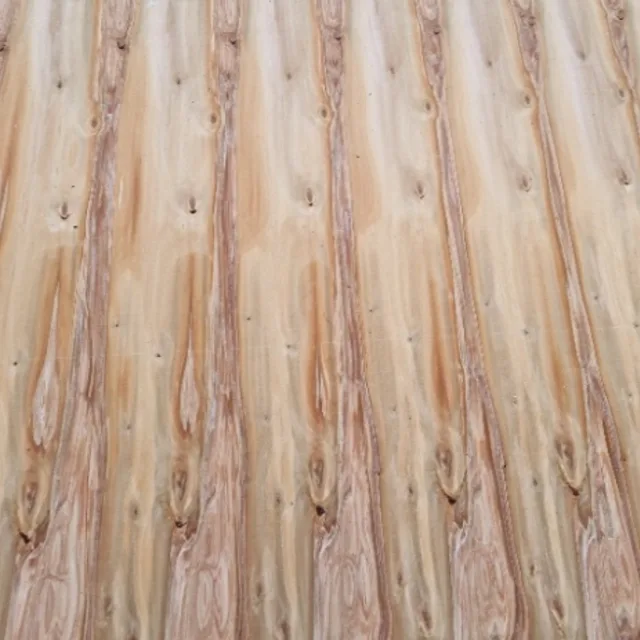
Grade examples
Photographed from our own grade packs — the table above, made visible.
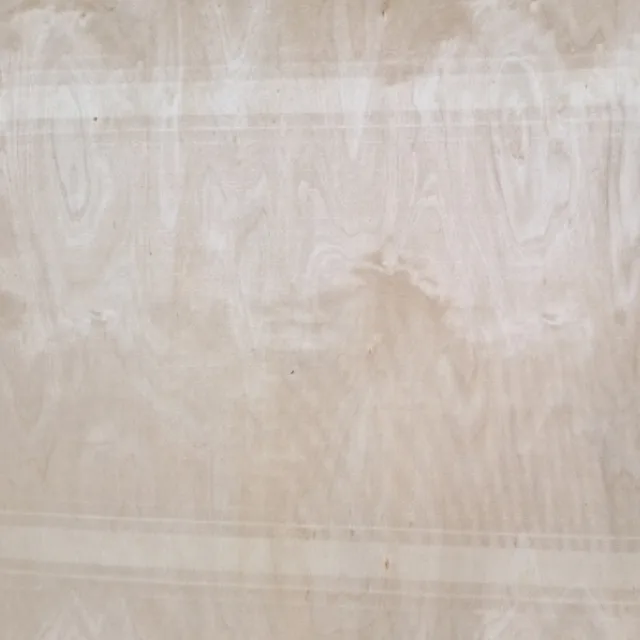
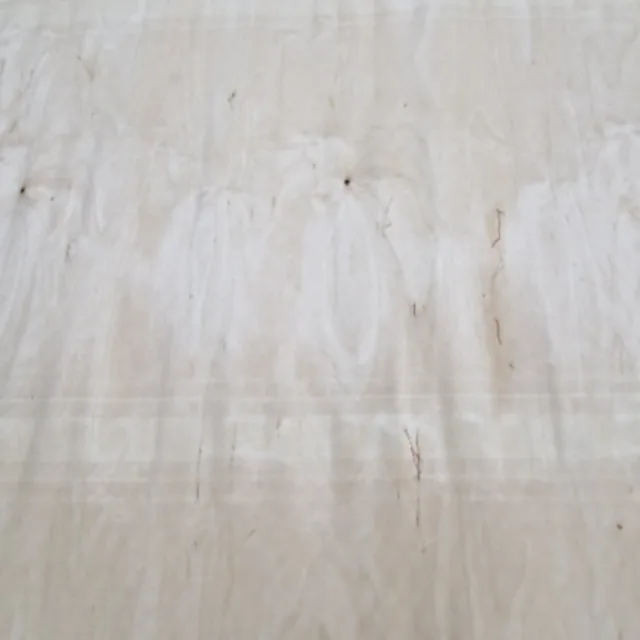
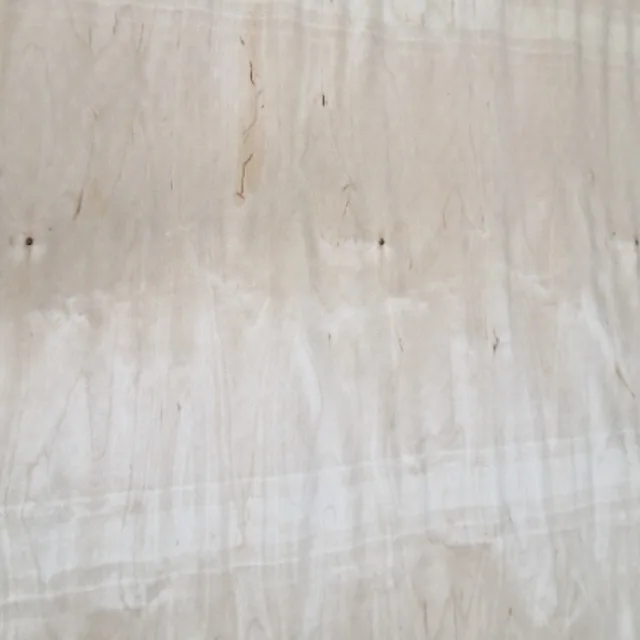
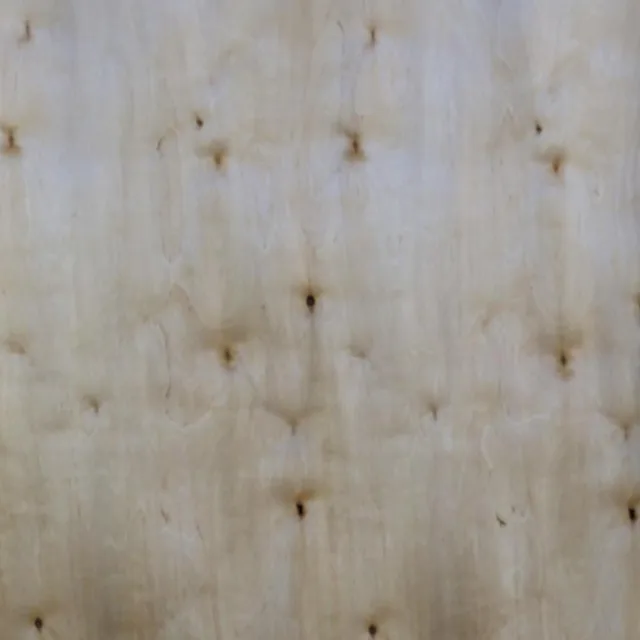
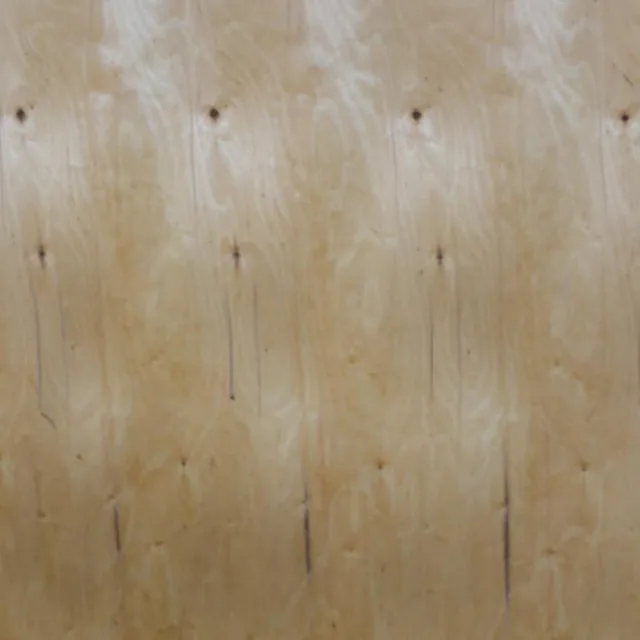
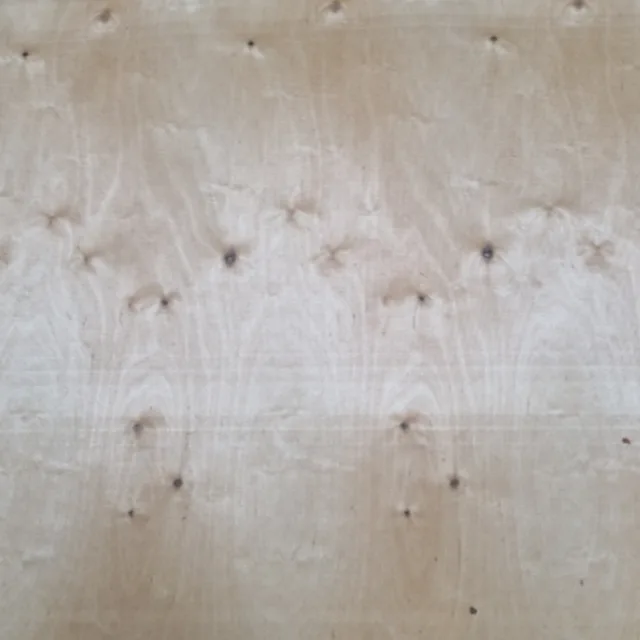
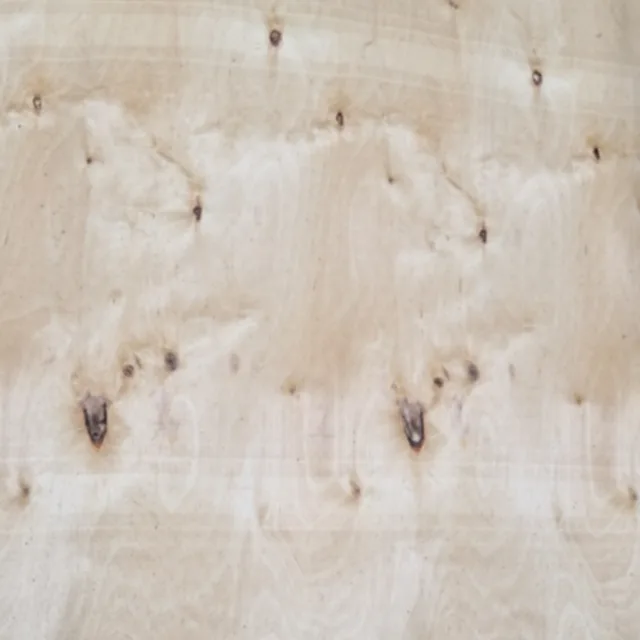
Want to feel it in your hands? — or read how the mill was built in our news diary.
Tell us what you press, and we'll ship a sample sheet from the current production run.
 LATVENEER